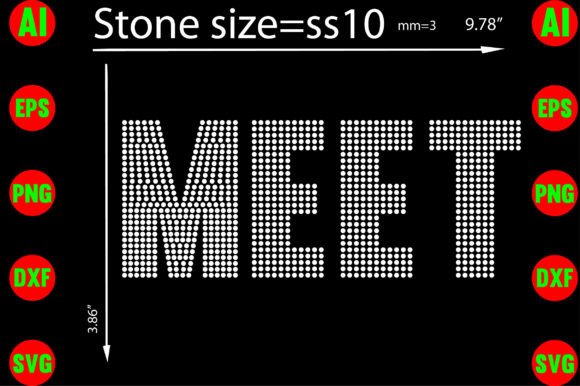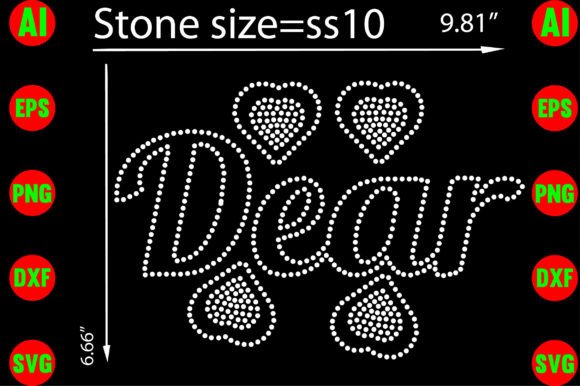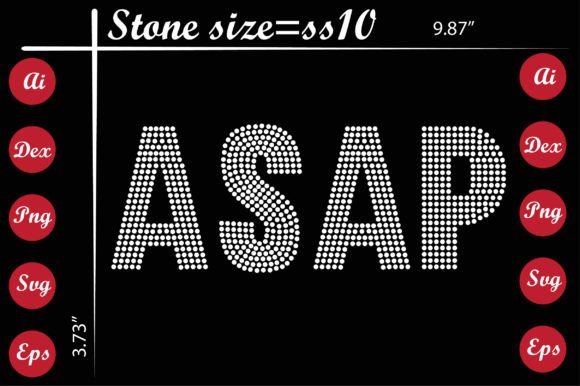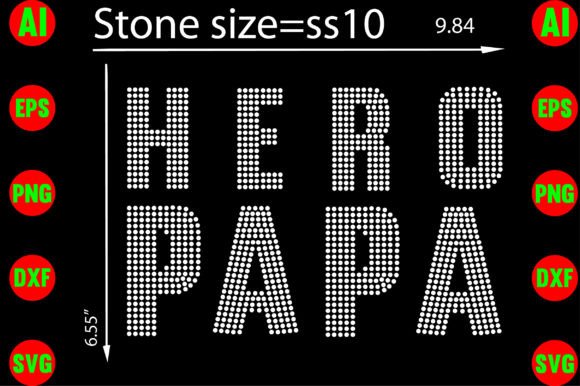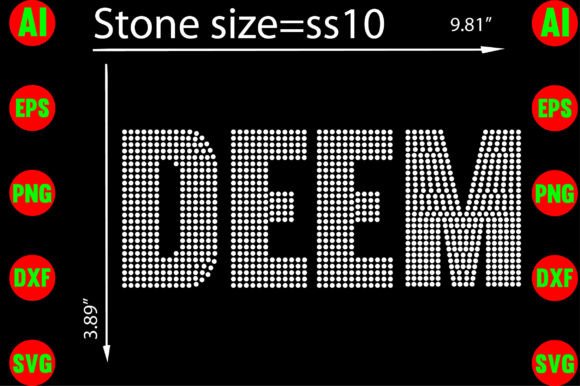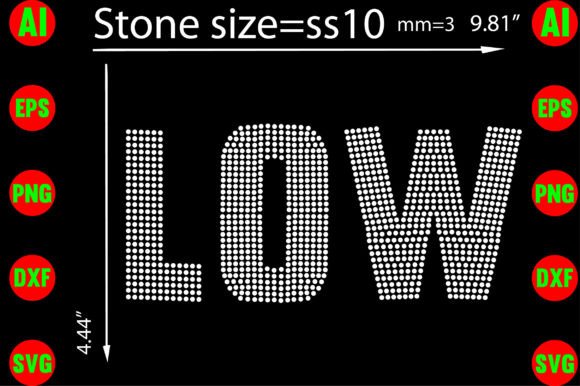
Understanding Low Rhinestone Templates Design for Streamlined Production
In the realm of physical product creation, particularly within the custom apparel and accessories market, the gap between a digital concept and a tangible, high-quality item is often bridged by the tools used in the preparation phase. For creators working with sparkling embellishments, Low Rhinestone Templates Design represents a critical asset in the production workflow. It is not merely a decorative image; it is a technical file set engineered for precision manufacturing. By utilizing a standardized template approach, creators can bypass the tedious process of drawing vector paths from scratch, allowing them to focus on the actual assembly and heat pressing of the final product.
The Anatomy of a Professional Template Package
When you acquire a professional-grade template, such as a Low Rhinestone Templates Design instant download, you are investing in a versatile toolkit. The value lies in the file diversity provided within the ZIP folder. A standard high-quality offering includes vector formats like Ai (Adobe Illustrator) and EPS, which are essential for scalability without loss of resolution. These files allow you to resize the design to fit anything from a small mug decal to a large back-print for a hoodie without pixelating the edges of the stone placements.
Equally important are the cut-ready files. The SVG and DXF formats are the industry standards for digital cutting machines. If your workflow involves cutting your own stencil material using a machine like a Cricut or Silhouette, these files communicate directly with the hardware to slice the material accurately. Furthermore, the inclusion of Transparent PNG and JPEG files at 300dpi ensures that the design can be used for sublimation or mockup presentations with high fidelity. This comprehensive file package ensures that the design is compatible with almost any software or hardware setup a creator might use.
Integrating Templates into the Pre-Production Workflow
The most efficient way to utilize a Low Rhinestone Templates Design is during the planning and preparation stage of a project. Before turning on the heat press or mixing adhesive, the template should be imported into your primary design software. This is where the "editable" nature of the file becomes crucial. A template serves as a foundation. For example, a small business owner might download a floral rhinestone design but need to incorporate their brand name. By opening the vector file in software like Adobe Illustrator or Inkscape, they can manipulate the paths, adjust the layout, and combine the template with text elements to create a unique composition.
This integration step is vital for quality control. It allows you to visualize the final product and make adjustments to the density of the stones or the overall dimensions before committing to physical materials. By treating the template as a malleable asset rather than a fixed image, you ensure that the final output aligns perfectly with the specific requirements of the garment or object, whether it is a fitted t-shirt or a structured tote bag.
From Digital File to Physical Application
Once the design is finalized in the software, the workflow transitions to the fabrication phase. For creators who use pre-made rhinestone transfers, the template acts as a blueprint for ordering or creating the transfer sheets. However, for those who cut their own templates, the SVG or DXF file is sent to a vinyl cutter. The cutter slices a stencil from a specialized material (such as flock or rubber), which then holds the rhinestones in place.
The practical application of a Low Rhinestone Templates Design extends beyond just apparel. The versatility of these files allows them to be adapted for various substrates. A design intended for a t-shirt can easily be scaled down and applied to a pair of sneakers or a denim jacket pocket. Because the files are provided at 300dpi, the clarity remains consistent even when zoomed in for detailed work. This adaptability makes the template a multi-purpose tool in a creator’s library, useful for seasonal campaigns, custom client orders, or personal hobby projects.
Workflow Efficiency and Asset Management
For entrepreneurs and freelancers, time is a primary resource. Using pre-designed templates drastically reduces the "time-to-production" metric. Instead of spending hours creating a rhinestone pattern from scratch—which requires knowledge of how stones tessellate and connect—a creator can simply download, edit, and cut. This efficiency allows for a higher volume of output, which is essential for scaling a small business or meeting tight deadlines for event merchandise.
Organizing these digital assets is a best practice that pays dividends in the long run. Creating a structured folder system on your local drive or cloud storage ensures that your Low Rhinestone Templates Design files are easily retrievable. Categorizing them by theme (e.g., sports, quotes, florals) or by file type helps maintain a smooth workflow. When a client requests a rush order, being able to locate the correct EPS file immediately rather than searching through a disorganized download history prevents bottlenecks and maintains a professional pace of work.
Compatibility and Technical Considerations
To fully leverage the potential of these templates, understanding the technical requirements of your specific equipment is necessary. While the files are universally formatted, the software you use to open them matters. For instance, while an SVG file can be opened in a web browser, it needs to be opened in a vector editor to be truly editable. Ensuring that your software supports the specific versions of Ai or EPS files included in the download will prevent compatibility errors.
Additionally, the "Low" in Low Rhinestone Templates Design often refers to the density or the specific aesthetic of the rhinestone placement, which can impact material usage. Low-density designs typically require fewer stones per square inch, which can be a cost-effective solution for production runs. Understanding this distinction helps in budgeting for materials and calculating the final cost of goods sold, ensuring that the creative process remains profitable.
Conclusion
Ultimately, the Low Rhinestone Templates Design