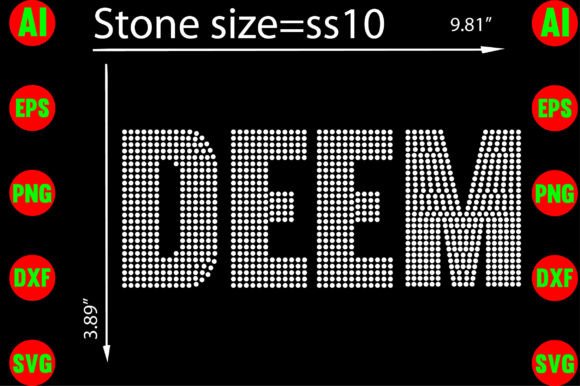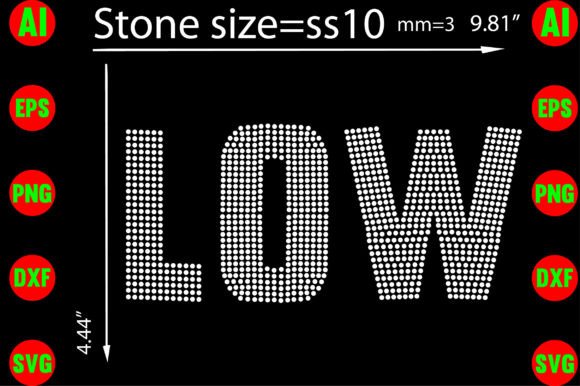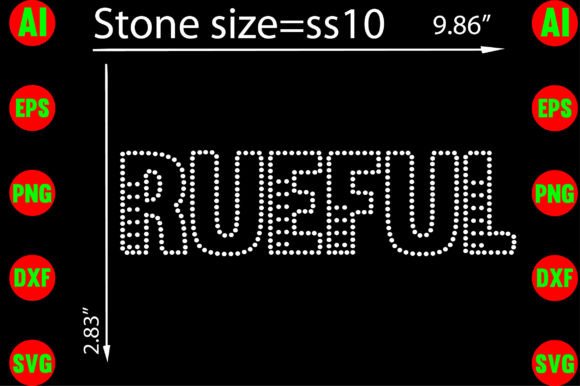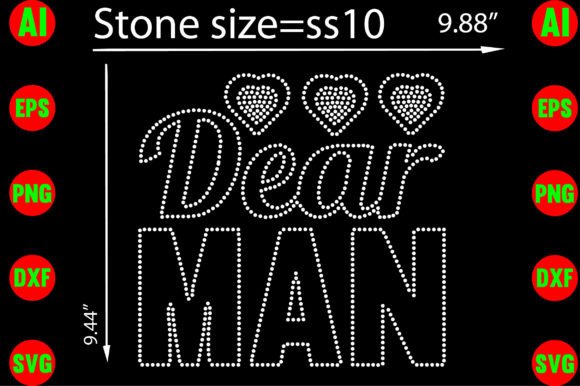
Dear Rhinestone Templates Design: Streamlining Your Creative Production
In the world of custom apparel and physical merchandise, the gap between a digital concept and a tangible, sparkling product is often bridged by preparation. For designers, print-on-demand sellers, and crafting enthusiasts, efficiency is not just about speed; it is about precision and consistency. This is where the Dear Rhinestone Templates Design enters the workflow. It is not merely a graphic file; it is a pre-engineered production asset designed to eliminate the friction between your creative vision and the final output.
Understanding the utility of this template requires looking at the broader context of sublimation and heat transfer workflows. When you are working with rhinestones, the margin for error is small. A poorly formatted file can lead to wasted materials, misaligned stones, and hours of troubleshooting. By utilizing a high-quality, multi-format template package, you are essentially front-loading your quality control, ensuring that the technical foundation of your project is solid before you even begin the design phase.
Understanding the Asset: What is Included?
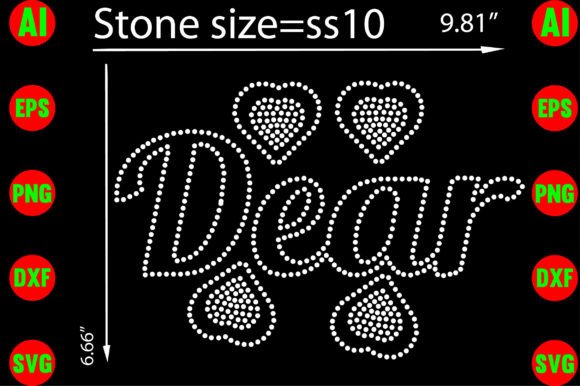
The Dear Rhinestone Templates Design is delivered as an Instant Download, which is critical for maintaining project momentum. In a professional setting, waiting for physical media or slow email transfers can stall a deadline. Once downloaded, you receive a ZIP folder containing a comprehensive suite of file formats. This inclusivity is the first step in workflow integration, as it ensures compatibility with virtually any software environment you might be operating in.
The package includes:
- Ai (Adobe Illustrator) 300dpi: The industry standard for vector editing, allowing for infinite scalability and detailed path adjustments.
- EPS 300dpi: A versatile vector format that bridges the gap between different professional software suites.
- SVG File 300dpi: Essential for web-based applications and compatibility with many modern cutting machine interfaces.
- DXF File 300dpi: A crucial format for CAD software and older cutting machines that require specific geometry data.
- Transparent PNG 300ppi: A high-resolution raster image with no background, perfect for layering in Photoshop or direct placement in design software.
- Jpeg 300dpi: A universal format for quick previews, mockups, or situations where transparency is not required.
This variety of formats (Ai, EPS, SVG, DXF, PNG, Jpeg) ensures that whether you are using Silhouette Studio, Cricut Design Space, CorelDRAW, or Adobe Photoshop, the Dear Rhinestone Templates Design will integrate seamlessly. The 300dpi resolution across the board guarantees that the image remains crisp and professional, whether it is printed on a small mug or a large t-shirt.
Strategic Integration: Where This Template Fits in Your Workflow
To maximize the value of this asset, it helps to view it through the lens of project management. A creative project involving rhinestones or sublimation generally follows three phases: Preparation, Execution, and Quality Assurance. The Dear Rhinestone Templates Design plays a distinct role in each.
Phase 1: Preparation and Setup
Before opening your primary design software, you should organize your file library. A common mistake creators make is downloading assets and leaving them in a generic "Downloads" folder. This leads to lost time searching for files later. When you download the ZIP folder, extract the contents into a structured directory, such as Assets > Rhinestones > Templates. Rename the files to reflect your project naming conventions (e.g., "ProjectName_Template_Ai.ai").
Because the files are editable, this is the stage where you assess compatibility. If you are planning to sell designs on merchandise, check the licensing and usage rights. If you are using a cutting machine, determine if you need the SVG or DXF file. This preparation prevents the "format panic" that occurs when a designer realizes mid-project that their software cannot read the file.
Phase 2: Execution and Design
During the design phase, the template acts as your canvas and your constraint. Rhinestone designs require specific spacing and sizing to ensure that the stones fit properly and adhere to the transfer sheet. The Dear Rhinestone Templates Design is structured to account for these physical limitations.
When you import the template into your vector editor (using the Ai or EPS files), you are working with a scalable vector. This means you can resize the design for a child's t-shirt or an adult hoodie without pixelating the edges. If you are adding text or additional graphics, use the template as a background layer to ensure your new elements align with the existing rhinestone pattern.
For those using the PNG or Jpeg files for sublimation printing, the 300ppi resolution is vital. Sublimation relies on heat transferring ink into the fabric; low-resolution images result in blurry, unprofessional prints. The Dear Rhinestone Templates Design provides the density required for a sharp finish. You can place this image into a mockup generator to visualize the final product on a cushion or mug before committing to the physical print.
Phase 3: Production and Quality Control
The final phase involves the actual creation of the product. If you are creating a physical rhinestone template for a heat press, the vector files (SVG/DXF) are sent to your cutting machine. The machine cuts the pattern into a sticky carrier sheet, which holds the stones in place.
Quality control here is about checking the "weeding" process—removing the excess material around the stones. A well-designed template ensures that the connecting bridges between stones are sturdy enough to hold them but flexible enough to allow for clean weeding. Once the stones are placed and the template is applied to the garment, the Dear Rhinestone Templates Design ensures that the heat is applied evenly, resulting in a consistent finish across your entire inventory.
Practical Implementation Tips for Professionals
For entrepreneurs and small business owners, the goal is not just to make one item, but to replicate success. Here is how to integrate the Dear Rhinestone Templates Design into a scalable business model.
- Batch Processing: Do not design and print one item at a time. Use the template to create a "master design" in your vector software. Save variations (e.g., different color schemes) as separate files. When you are ready to print, queue up all variations to print on your sublimation printer or cut on your plotter in one session. This minimizes machine setup time and material waste.
- Platform Compatibility: If you are uploading to print-on-demand platforms, use the JPEG or PNG files. Ensure you check the platform's specific color profile requirements (RGB vs. CMYK). While the template provides the structure, you may need to adjust color curves to match the specific substrate (cotton vs. polyester) you are printing on.
- Mockup Creation: Use the transparent PNG to create realistic mockups for your website or social media. A high-quality mockup featuring the Dear Rhinestone Templates Design on a product can increase conversion rates by helping customers visualize the final result. This is a low-effort, high-impact marketing step.
- Archiving and Reuse: Once a project is complete, do not delete the template. Create an archive of "completed projects" that includes the original template and your modified version. If a customer requests a similar design in the future, you can pull from this archive, saving hours of development time.
Beyond T-Shirts: Expanding Use Cases
While the description highlights t-shirts, mugs, and cushions, the utility of the Dear Rhinestone Templates Design extends further. The editable nature of the files allows for adaptation across various media.
- Home Decor: Use the vector patterns to create stencils for furniture painting or etching on glassware.
- Event Planning: Create custom signage, wedding favors, or branded merchandise for corporate events using the high-resolution files.
- Educational Materials: For educators and bloggers, these templates can be adapted into visual aids, stickers for planners, or interactive learning tools.
The key to success with the Dear Rhinestone Templates Design is viewing it as a flexible tool rather than a static image. By leveraging the full suite of file formats and understanding the technical requirements of your specific production method, you can transform a simple download into a cornerstone of your creative or business workflow. It is an investment in efficiency, ensuring that your focus remains on creativity and customer satisfaction rather than technical troubleshooting.