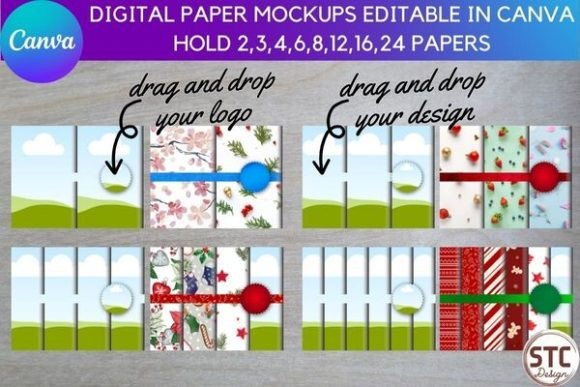
Streamline Your Design Workflow with Digital Paper Mockup Canva Templates
In the fast-paced world of digital marketing and graphic design, the ability to visualize a final product before sending it to the printer—or publishing it online—is invaluable. Whether you are a stationery designer, a photographer, or a small business owner creating branding materials, the gap between a flat digital file and a realistic physical object can often lead to disappointment. This is where the utility of Digital Paper Mockup Canva Templates becomes apparent. These templates bridge the divide between concept and reality, allowing you to showcase your artwork on textured, folded, or rolled paper surfaces directly within the Canva interface.
However, the landscape of digital assets can sometimes be confusing. One of the most critical aspects of utilizing these resources effectively is understanding exactly what you are purchasing. It is vital to recognize that when you acquire Digital Paper Mockup Canva Templates, you are buying a digital service and a file structure, not a physical sheet of paper or a printed design. Navigating the "digital only" nature of these products ensures a smoother creative process and sets the correct expectations for the final output.
The Reality of Digital-Only Assets
Before diving into the creative potential of these tools, it is essential to address the logistical foundation of the purchase. A common point of confusion in online marketplaces involves the distinction between physical and digital goods. When you select Digital Paper Mockup Canva Templates, you are entering a transaction for a downloadable asset.
It is imperative to read the description before purchasing. These products are strictly digital. You will not receive a physical package in the mail, nor will you receive a printed poster. Instead, you receive access to a file system—usually a PDF containing a link—that grants you entry into a pre-designed Canva environment. Understanding this distinction prevents buyer’s remorse and streamlines the onboarding process. The value lies in the infinite reproducibility of the mockup; once you own the template, you can use it to showcase an unlimited number of designs without ever needing to photograph physical paper again.
What You Receive and How to Access It
The delivery mechanism for Digital Paper Mockup Canva Templates is designed for ease of use. Upon completing your purchase, you will typically be prompted to download a PDF file. This document serves as your key to the asset. It does not contain the design itself but rather a secure link that directs you to the Canva Frames file.
This process is compatible with both Canva Free and Canva Pro accounts. You do not necessarily need a premium subscription to utilize the basic functionality of the mockups, although Pro users may have access to additional stock elements to complement their designs. The workflow is straightforward:
- Download the PDF: Locate the file in your downloads folder immediately after purchase.
- Access the Link: Click the unique URL provided in the PDF.
- Open in Canva: The link will open directly in your browser, prompting Canva to load the template file.
- Save to Your Account: It is highly recommended to save a copy of the template to your own Canva homepage to ensure you always have access to it for future projects.
Mastering the Workflow: Practical Application
The primary goal of using Digital Paper Mockup Canva Templates is to achieve a photorealistic presentation of your artwork. The process relies on Canva’s "Smart Frame" technology, which acts as a container for your specific design elements. This technology allows for non-destructive editing, meaning you can experiment freely without ruining the underlying mockup structure.
Step-by-Step Implementation
Once you have the file open, the implementation is intuitive. The instructions provided with the product are simple but require attention to detail for the best results:
- Drag and Drop: Locate your design file in the "Uploads" tab on the left-hand side of the Canva editor. Drag your image over the paper mockup frame. You will notice the image "snaps" into place, conforming to the shape and perspective of the paper.
- Adjust and Refine: While the drag-and-drop feature is powerful, perfection is in the details. Double-click on the image within the frame. This action isolates the image, allowing you to zoom in or out, adjust the position, or even rotate the design to ensure the focal point is perfectly centered on the paper texture.
- Finalize: Click outside the frame to lock the design in place. You can now download the final image as a high-quality PNG or JPG.
Addressing Designer Challenges
Graphic designers often face the challenge of context. A logo or an illustration looks different on a white screen than it does on textured paper. Digital Paper Mockup Canva Templates solve this by providing context and depth.
For stationery designers, these templates are not just a convenience; they are a sales tool. Customers often struggle to visualize how a wedding invitation suite will look when printed. By using these mockups, you can show them the interplay of light and shadow on the paper, the texture of the grain, and how the ink sits on the surface. This reduces client revisions and increases buyer confidence.
Furthermore, for social media managers, creating a cohesive aesthetic is vital. Instead of posting flat images, using a paper mockup adds a 3D element to a feed, making the content more engaging and tactile. It transforms a simple graphic into a lifestyle image.
Commercial Usage and Terms of Use
Understanding the licensing of Digital Paper Mockup Canva Templates is crucial for professional use. The terms of use are generally generous, designed to empower creators rather than restrict them.
You are allowed to use the images generated from these templates in every commercial way. This includes:
- Client presentations and mood boards.
- Social media marketing and advertisements.
- Etsy listings or portfolio showcases.
- Website headers and blog post graphics.
However, there is one strict limitation: you cannot resell or redistribute the mockup files as is. You cannot take the Canva template link and sell it to someone else as your own product. The value you provide to the market must be the final, customized design you create using the mockup, not the mockup infrastructure itself. Additionally, because this is a digital file purchase, no returns are accepted. This policy is standard in the digital goods industry because the nature of the product allows for instant access and duplication, making returns impossible to manage fairly.
Tailoring the Experience to Your Needs
Different users will approach Digital Paper Mockup Canva Templates with different objectives, and the flexibility of the tool accommodates this variety.
For the Minimalist: You might use the mockup simply to display a black-and-white line drawing on cream paper. The focus here is on the elegance of the medium.
For the Brand Strategist: You might overlay complex patterns or typography. Here, the "Double-click to adjust" feature is vital to ensure the text remains legible and the pattern aligns with the edges of the paper frame.
For the Educator: Teachers and course creators can use these templates to create realistic handouts or worksheet previews for their marketing materials, giving students a preview of the physical materials they will receive.
Conclusion
The transition from a digital canvas to a physical representation is made seamless with Digital Paper Mockup Canva Templates. By understanding that this is a digital-only product, following the PDF link instructions, and mastering the drag-and-drop Smart Frame technology, you unlock a powerful tool for presentation. Whether for commercial client work or personal portfolio enhancement, these templates provide the professional polish required to stand out in a crowded visual marketplace. Remember to review the terms of use to ensure your commercial applications remain compliant, and enjoy the creative freedom these assets provide.