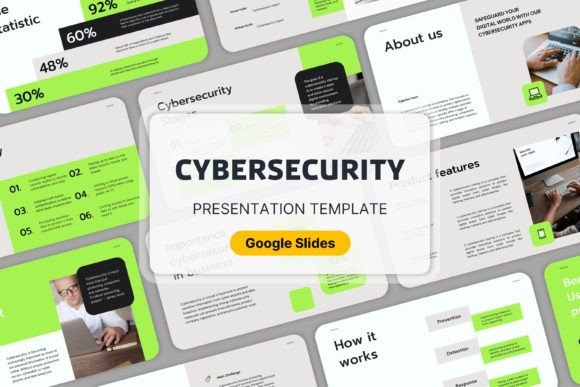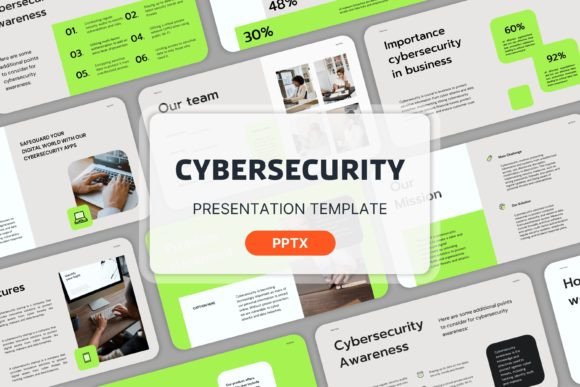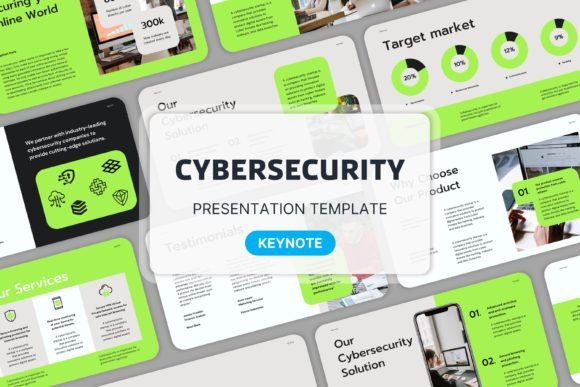
Mastering the Digital Defense: A Guide to Cyber Security Keynote Templates
In an era where data is as valuable as gold and digital infrastructure underpins nearly every aspect of modern commerce, the importance of cyber security cannot be overstated. Whether you are a startup founder pitching to investors, a security consultant advising a corporation, or an IT manager presenting a threat assessment, your ability to communicate complex technical concepts clearly is critical. However, the subject matter of cyber security is inherently abstract, filled with invisible threats, complex code, and intangible firewalls. This is where the power of visual communication meets technical expertise. Utilizing a professional Cyber Security Keynote Template is not just about making slides look good; it is about translating intricate digital defense strategies into a compelling narrative that drives action.
The Intersection of Visual Communication and Digital Safety
When we think of cyber security, we often imagine hooded hackers, complex terminal screens, or lines of code. While these are the realities of the industry, they are not always the best tools for persuasion. A business client or partner does not want to read a technical manual; they want to understand the risk, the solution, and the value proposition. This is why the design of your presentation matters. A Cyber Security Keynote Template serves as a bridge between the technical expert and the business stakeholder. It provides a visual language that conveys trust, professionalism, and technological competence before you even speak a word.
A professional creative Keynote design specifically tailored for this niche understands the gravity of the subject. It typically employs a color palette that suggests authority and safety—think deep blues, sleek grays, and alert reds—paired with modern iconography representing networks, shields, and data flow. By using a template designed for this specific purpose, you immediately set the tone that you are serious about digital protection.
What Makes a Template "Professional Creative"?
The term "professional creative" might sound like an oxymoron in the rigid world of IT, but in the context of presentations, it is essential. Being professional implies that the structure is sound, the layout is organized, and the content is presented with clarity. Being creative implies that the design captures attention, uses imagery effectively, and avoids the boredom of standard bullet-point lists.
A high-quality cyber security presentation achieves this balance by utilizing features such as Master slides. Master slides ensure that every page of your deck has a consistent look and feel, which is vital for brand recognition and visual cohesion. When you are presenting a serious topic like a potential data breach or a security audit, visual distractions caused by inconsistent formatting can undermine your credibility. The template handles the consistency, allowing you to focus on the message.
Furthermore, the concept of "creative" design in this field often involves abstract representations of data. Instead of showing a spreadsheet of server logs, a creative template might offer a dynamic dashboard layout where you can visualize that data. It transforms raw information into an accessible story.
Practical Application: Who Needs These Templates?
The utility of a specialized Keynote template extends across various professional scenarios. Understanding who uses these templates helps illustrate their versatility and importance in the modern business landscape.
1. Startups and Business Profiles
For a cyber security startup, the pitch deck is the lifeline of the company. You are likely asking investors to bet on an idea that solves a problem that hasn't happened yet, or one that is happening in the shadows. You need a presentation that builds immediate trust. A template designed for startup profiles allows you to introduce your team, showcase your proprietary technology, and outline your business model with visual flair. It helps you stand out in a crowded market of tech startups vying for funding.
2. Marketing and Sales Pitches
Selling software or security services requires a delicate touch. You cannot scare the client into buying; you must empower them. A marketing planner layout within the template can help structure your sales narrative. You can map out the customer journey, highlight pain points, and present your solution as the hero of the story. The visual aids provided by the template—such as charts, graphs, and comparison tables—make it easier for non-technical decision-makers to grasp the ROI of your security solution.
3. Educational and Internal Training
Cyber security is everyone's responsibility, not just the IT department's. When conducting internal training for employees on how to spot phishing emails or manage passwords, a dry, text-heavy presentation will cause the audience to tune out. Using a visually engaging template makes the training session more interactive and memorable. It reinforces the message that security is a modern, dynamic field, not just a boring compliance requirement.
Key Features to Look For
When selecting a Keynote template for cyber security purposes, specific features are non-negotiable for ensuring a smooth workflow and a professional result.
- Image Placeholders: A critical feature of high-end templates is the inclusion of image placeholders. This allows you to easily drag and drop your own screenshots, team photos, or stock images into pre-defined areas without having to manually resize or crop them. This ensures that your images fit perfectly within the design grid, maintaining the aesthetic integrity of the slide.
- Zip File Delivery and Asset Management: Many premium templates are delivered as a Zip file. It is important to note that some templates contain no images to keep the file size small and licensing clear. This is actually a benefit for the user. It means the file is clean, loads faster, and gives you total freedom to use your own high-resolution assets. You are not stuck with generic stock photos that your competitors might also be using.
- Slide Variety: A robust template usually offers around 24 slides. This number strikes the perfect balance. It is enough to cover an introduction, a problem statement, a solution overview, a technical breakdown, a team introduction, and a call to action, with room for customization. It prevents you from having to duplicate slides awkwardly or delete necessary content.
- Fully Organized Structure: "Fully organized" means that the layers within the Keynote file are named and grouped logically. For an advanced user, this allows for deep customization. For a beginner, it means that elements don't accidentally move around when you are trying to edit text.
Designing for Trust: The Psychology of Color and Layout
In cyber security, trust is the currency. If your presentation looks amateurish, clients will assume your security measures are too. The color scheme of your template plays a psychological role here. As mentioned, blues and dark tones are standard because they evoke feelings of stability, intelligence, and calm. This is crucial because you are often presenting during times of stress (e.g., a security breach) or high stakes (e.g., a compliance audit).
The layout must be clean and uncluttered. White space is your friend. In the tech world, it is tempting to fill every inch of the slide with data. Resist this urge. A professional template will guide you to use "breathing room" around your text and images, which makes the information easier to digest and signals confidence. You don't need to prove your worth by overloading the slide; you prove it by presenting the most relevant information clearly.
Avoiding Common Pitfalls
Even with the best template, there are common mistakes users make when creating cyber security presentations.
- The Jargon Trap: Do not fill your slides with acronyms like DDoS, SQLi, or XSS without explanation. Use the visual capabilities of the template to explain these concepts. Use an icon of a traffic jam to explain a Denial of Service attack. Use an icon of a key to explain encryption. Let the design do the heavy lifting so your words can provide context.
- Ignoring the "No Image" Aspect: If you download a template that contains no images, do not leave the placeholders blank. Blank placeholders make a presentation look unfinished. Take the time to find relevant, high-quality images. For cyber security, abstract tech backgrounds, photos of diverse teams working together, or clean shots of modern hardware work best.
- Over-animating: Keynote offers many animation features. While it can be tempting to make elements fly in and spin, this often distracts from the serious nature of the topic. Stick to subtle transitions like "Dissolve" or "Move" to keep the flow professional.
Conclusion: Elevating Your Message
In the digital age, the medium is often the message. When you step into a boardroom or log into a Zoom call to discuss cyber security, your visual aids are the first line of defense in capturing your audience's attention. A Cyber Security Keynote Template is more than just a collection of slides; it is a strategic tool. It allows you to present your startup, your business profile, or your security plan with the professionalism and creative flair that the modern market demands.
By leveraging features like master slides, color schemes, and image placeholders, you streamline the creation process and ensure a polished final product. Whether you are safeguarding a network or securing a new client, the right template ensures your message is not just heard, but believed. It transforms the complex narrative of digital security into a clear, compelling, and visually stunning story of protection and progress.