A Guide to Selecting Floral Wedding Invitation Cards Templates
The process of planning a wedding involves a series of decisions that set the tone for the entire celebration. Among the most significant of these initial steps is the creation of the invitation. The wedding invitation is often the first tangible element your guests will see, serving as a direct reflection of the event's style and atmosphere. For many couples, achieving a balance between elegance, personalization, and budget efficiency leads them to consider digital solutions. Specifically, Floral Wedding Invitation Cards Templates offer a practical approach to obtaining high-quality design without the overhead of a fully custom stationery service.
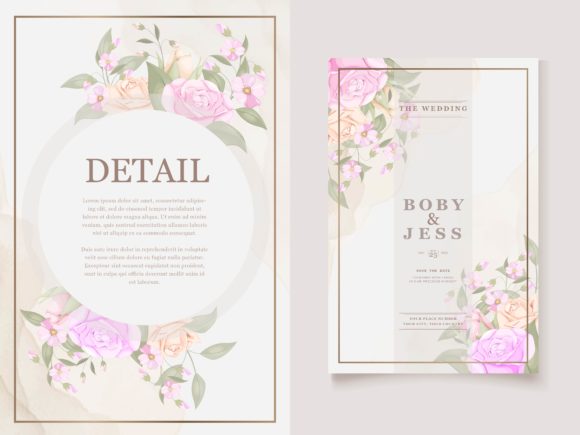
These templates, often featuring intricate floral vectors with roses and leaves, provide a foundation for couples to build upon. However, selecting the right template and understanding the workflow involved requires a thoughtful evaluation of one's own skills, time constraints, and aesthetic goals. This guide aims to provide a balanced overview to help you determine if this approach aligns with your wedding planning needs.
Understanding the Nature of Editable Floral Templates
A floral wedding invitation template is essentially a pre-designed digital file. These files are typically created by graphic designers who utilize high-quality floral vector graphics—such as detailed illustrations of roses, eucalyptus, and other botanical elements—to frame the text area. The "template" aspect refers to the fact that the text, and sometimes the colors, are placeholders intended to be customized by the end-user.
It is important to distinguish between a static image and an editable template. A truly editable Floral Wedding Invitation Cards Template allows you to modify the typography, update the wedding details (date, time, venue), and potentially adjust the layout. The use of vector graphics ensures that the floral elements remain crisp and clear, regardless of the size at which they are printed, which is a crucial factor for high-resolution stationery.
Evaluating the Fit: Who Benefits Most?
While these templates are versatile, they are not universally ideal for every couple. Determining if they are the right choice involves assessing your specific situation and resources.
The DIY-Inclined Couple
If you possess a moderate level of comfort with software like Adobe Photoshop, Illustrator, or even Canva, these templates are a strong fit. They serve as a creative starting point. For couples who enjoy the creative process and want to exert direct control over the final look, an editable template provides that hands-on experience without the pressure of designing from a blank canvas.
The Budget-Conscious Planner
Custom wedding stationery design can be a significant line item in a wedding budget. Templates offer a middle ground. They provide access to professional-grade design elements—specifically the beautiful floral vectors—at a fraction of the cost of hiring a dedicated stationer. If you are looking to allocate funds toward other aspects of the wedding, such as catering or the venue, templates present a financially prudent option.
The Specific Aesthetic Seeker
Couples who have a very clear vision for a botanical or garden-themed wedding will find that templates cater specifically to this niche. The availability of various styles—from watercolor effects to sharp, modern line art—means you can find a design that matches the specific "floral" vibe you are aiming for, whether it is rustic, romantic, or minimalist.
Benefits and Tradeoffs of the Template Approach
Like any planning decision, choosing a template involves weighing advantages against potential limitations.
The Benefits
- Cost Efficiency: As noted, the primary benefit is the reduction in design costs. You are paying for the digital asset rather than the hours of a designer's time.
- Speed: Once you have the template, you can have a print-ready file in a matter of hours, provided you are comfortable with the editing software. This is particularly advantageous for couples with shorter timelines.
- Visual Consistency: Because the floral vectors are part of the file, the design integrity is maintained. You do not need to worry about sourcing your own graphics or ensuring they match.
The Tradeoffs
- The Learning Curve: While the templates are designed to be personalized by the user, they are not always "plug-and-play." If the file is in a format like PSD or AI, you will need the corresponding software and a basic understanding of how to edit layers and text.
- Limited Structural Changes: While you can change text and sometimes colors, making structural changes—such as moving the floral arrangement from the top to the bottom, or changing the shape of the card—is often difficult or impossible without advanced skills.
- Non-Exclusivity: Unless you purchase an exclusive license, the same floral design may be used by other couples. However, because the text is personalized, the likelihood of a guest receiving two identical invitations is low.
Practical Considerations for Personalization
When evaluating Floral Wedding Invitation Cards Templates, it is essential to consider the technical requirements of personalization. The term "editable" can vary in scope.
Software Requirements: Before purchasing or downloading a template, verify the file format. If the template requires Adobe Illustrator, but you only have access to Microsoft Word, you will encounter compatibility issues. Look for templates that specify compatibility with the software you own or are willing to learn.
Typography and Layout: A common oversight is text length. If your venue name or directions are significantly longer than the placeholder text in the template, the layout may look crowded. A good template should allow for some flexibility in text wrapping, but it is wise to test this early in the process.
Color Management: Digital screens use RGB color, while professional printers use CMYK. High-quality templates often come in CMYK mode to ensure the colors you see on screen match the printed product. If you plan to change the color of the floral elements or the background, ensure the template supports easy color editing without compromising the quality of the vector graphics.
When to Consider Alternatives
While templates are highly effective, there are scenarios where other options might be more appropriate.
Full Custom Design: If your wedding has a highly specific theme that requires unique illustrations or a bespoke layout that cannot be achieved through text editing alone, hiring a graphic designer is the better route. This allows for complete creative freedom but comes at a higher price point.
Online Design Platforms: For those who find desktop software intimidating, some couples prefer using online platforms that offer built-in editors. While these are easier to use, they may offer less control over the floral vector details compared to a downloadable file designed for professional software.
Seeking Assistance and Support
One of the practical challenges of working with templates is the potential for technical hurdles. If you select a beautiful floral design but find yourself struggling to change the font or resize an element, it is helpful to know that support is available.
Many template creators offer guidance to ensure you can successfully personalize your design. For instance, if you require assistance with editing a file specifically for your project, or if you have questions about the technical specifications, it is advisable to reach out for help. You can contact the provider via their social media accounts if you need specific guidance on personalizing the template. This level of support can bridge the gap between a raw digital file and a finished, print-ready invitation.
Conclusion
Floral wedding invitation templates offer a practical, stylish, and cost-effective solution for many couples. They leverage the timeless appeal of botanical illustration to create elegant stationery that can be personalized to fit specific wedding details. However, success with this approach depends on a realistic assessment of your technical comfort level and your willingness to engage in the editing process. By weighing the benefits of cost and speed against the tradeoffs of software requirements and design limitations, you can make an informed decision that ensures your invitations set the perfect tone for your special day.